Additional Resources for Chronic Pain
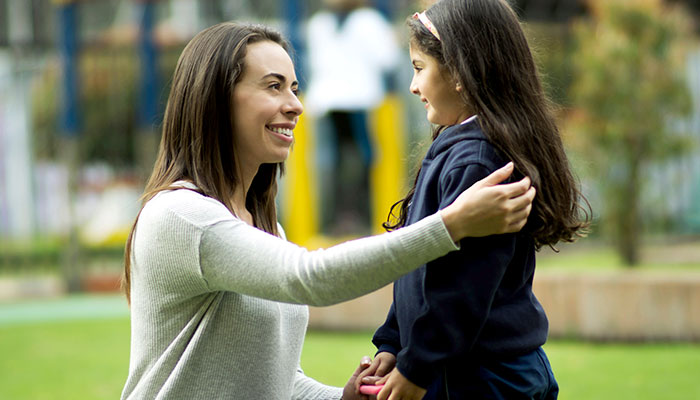
We understand that it can be very difficult to watch your child in pain, and not be able to help it get better. We have provided resources to help parents in this journey, and how to encourage their children who are beginning or are in treatment for Amplified Musculoskeletal Pain Syndrome (AMPS).
The Importance of Physical Therapy
Working through the pain initially is going to be tough. Many children feel that exercising and attending physical therapy actually increases their pain. This can be true in the beginning of treatment. Over time, however, the pain will improve. The child must continue with the treatment plan even on days they are in pain. This is how the child can re-train their nerves and how the brain processes pain.
By working on desensitization, we can help the child work through different sensations that are painful for them such as light touch, pressure, different temperatures. By exposing them to these different sensations over time, the child will be able to tolerate increased sensations to the affected part of the body. Again, this will initially be hard for the child, and can be painful.
If the child continues with treatment as recommended, this will start to help the patient, and they can start to see how much improvement they can make each day. The first week they start this kind of therapy, they may not be able to tolerate a feather brushing against their skin. By the next week, they may be able to tolerate a light massage in the same area.
Why Psychological Counseling is a Big Part of the Treatment Plan
We know that chronic pain affects all areas in life including thoughts, feelings, and relationships. Stress and anxiety can make pain worse. Pain can leave you with a bad mood, or feeling more depressed. By working with a therapist/counselor/psychologist, the child and family can learn new ways to help manage stress. Pain and stress levels go hand in hand. The more stress and anxiety a child has, the more frequent and intense their pain becomes. By working with a therapist, your child can learn new coping skills and ways to manage the different stressors and worries in their lives. Sometimes children and teenagers have a hard time expressing their thoughts and emotions. By working with a therapist, they can discuss these without any fear of judgement, and learn how to identify what triggers their pain. This can also help them become empowered, and give them the encouragement they need to make positive changes in their lives.
Our goal is to get our patients back to normal functioning. Some of our patients have been out of school, or away from friends for a long period of time. A therapist can help build confidence and self-esteem, and help them feel ready to get back into school, or resume their favorite activities. Some of our patients get anxiety about being back with their peers, and how they may be perceived. This is a great opportunity to teach our patients how to talk about their pain and treatment with other kids their age.
For more resources and information on counseling, or a list of providers in your area, please call our clinic or send us a message through MyChart. We will be happy to provide any additional information, or help you find a therapist in your area.
Why Exercise and Movement is Better Than Medication
Exercise can actually make you feel better. Sometimes when you are in pain, you may think exercise and moving is going to hurt even more. But actually, this will help your pain get better. Exercise can cause your body to release certain hormones that help you feel good. Theses hormones help decrease pain levels while improving mood.
Consistent exercise is the way to re-train your brain and nervous system. By retraining the brain and pain signals, your nerve pathways that cause pain, can start to work the way they were intended to. This happens by changing how your brain interprets the pain signals coming in.
Strong pain medications such as opioids, work well in treating acute pain. However, these drugs are not indicated for treating chronic pain. These medications can have serious side effects and are not meant to be used long term. As research shows, the best way to treat and manage chronic pain is with exercise.;
This does not mean that medications are not used in treating chronic pain. There are different medications that are prescribed in our clinic such as antidepressants/anti-anxiety, NSAIDs and medication to treat nerve pain. Many anti-anxiety medications can help with anxiety and depression, as well as help with pain. These medications increase hormones in the body that help with mood, while turning pain signals down.
There is always a risk for side effects when starting any new medication. Always take your medications as instructed by your provider.
The Role of Diet and Nutrition
Diet can play a major role in the treatment and management of pain. Research shows that choosing healthy foods to eat can decrease inflammation, provide more energy, help improve mood, and overall help with your body’s function. Choosing healthy foods requires discipline, but this is another way to help improve your quality of life.
Eating healthy foods provides your body with the necessary nutrition it was meant to have. We know that eating fruits and vegetables are good, and that sugar and trans fat are not good. But do you know why? When you eat a lot of fried foods, fast foods, sugar and other unhealthy treats, your body does not know how to process those foods well. So you end up feeling more tired and sluggish. You may have a harder time sleeping. By making better food choices, you can greatly improve your overall health and be able to manage your symptoms better.
You can make small changes over time. Try to start with drinking more water instead of sodas and sugary drinks. Drinking at least 8 glasses of 8 oz of water daily is very important to keep your body hydrated. Remember to not skip meals. Eating breakfast is how you get your body started for the day. You are not just eating for pleasure, you are feeding your brain and all of your cells to keep your body working properly. This can help you have a clear head and think positively throughout your day!
Limit your caffeine intake. Drinking too much caffeine during the day and cause sleep problems as well as increase anxiety. Changing diet habits may take some time, but it can help if the whole family works to make these changes together! It can help with accountability and keeping each other motivated.
Change Your Way of Thinking
In the beginning of a new treatment plan, the information or thought of making new life style changes can be overwhelming. We know that your pain is not going to get better overnight, this treatment is a process. However, by changing the way you think about your pain, or situation, can give you encouragement to take on this journey of getting better and finding hope that it will work. We encourage a lot of positive self-talk. Telling yourself that you can do this, and that you will succeed, can tremendously make your progress better. Telling yourself that you can push through the pain on the tough days, and talking positive to your friends and family can help them talk positively as well.
Set small goals and give yourself praise each time you meet one. Even if it is that you exercised on a day that you didn’t really didn’t want to. Or you went an entire week without napping or talking about your pain. Those are huge successes! And you deserve to give yourself credit for putting in the hard work. And you will start to see your confidence rising and feeling better about yourself.
Just remember that you may not be able to change your circumstances or set-backs, but you can change how you respond to them. We know that if you have struggled with your pain for a long time, it is hard to be positive. You may feel like nothing will help you, and there is no hope of getting better. You may have stopped going to school, hanging out with friends, or participate in social gatherings that you did before. These can all lead to negative thoughts about yourself and your situation. GOOD NEWS! You don’t have to be stuck in this cycle of negative thinking. You can change your thought patterns and start to believe that you can change how you feel about yourself and situation. You can start to believe that there is hope. This is a process and takes time, but be patient with yourself. You can change your mindset and this is an incredibly powerful piece of your treatment plan.
Working with a therapist can help you begin this process, and teach you how to start thinking positively about yourself. Here are a few tips that you can start doing today!
Learn to write things down. Get a journal or sticky note pad that you can write down positive statements about yourself. When you are having a difficult day, go back and read through your journal and look at your sticky notes. This can provide you with encouragement to keep pushing forward!
Don’t criticize yourself! If you make a mistake or have a rough day, remind yourself you are working hard and take each day at a time! Know that this is a process and you can do it!
Spend time with people who are encouraging to you. Who you spend your time around makes a difference. You want to be with people who are also positive and have nice things to say. If you spend your time around people who are negative, then you might to start thinking that way too.
What to do When You are Having a Bad Day
Think about what you would do ahead of time for when a rough day happens. Create a plan with who you can talk to, or how you will practice coping skills to help you relax. Have a plan in place at your school with the nurse or your teachers. This way everyone is prepared for the hard moments, and you can practice relaxation, stretching, or other coping skills. Remember the goal is to stay in school and finish each day!
Practice positive self-talk. Tell yourself that you can push through this pain and get yourself in a better place. Try to distract yourself by talking with a friend or turn on your favorite music. Practice breathing exercises or use your favorite calming app.
Helping Siblings of Chronic Pain Patients
Like any other medical condition, siblings can have a hard time coping when one child seems to be getting more attention due to medical needs. Sometimes the siblings in the family can start to act out, isolate themselves, become angry or jealous. They may also become guilty for feeling or acting the way they do. Make it a point to spend time with the other children who are not dealing with chronic pain, and when you do, try not to talk about the sibling’s pain.
When you get asked questions about their brother or sister who has the chronic pain, let them know that their sibling is working really hard to get better. Talk with them about being encouraging, and involve them in activities that the family can do together. If any of the siblings are having a hard time coping, they may need to also see a therapist as well. Depending on their age, younger siblings can do play therapy, while older siblings can see a counselor who works with children and teens. Again, discuss these options with the pain management team.


